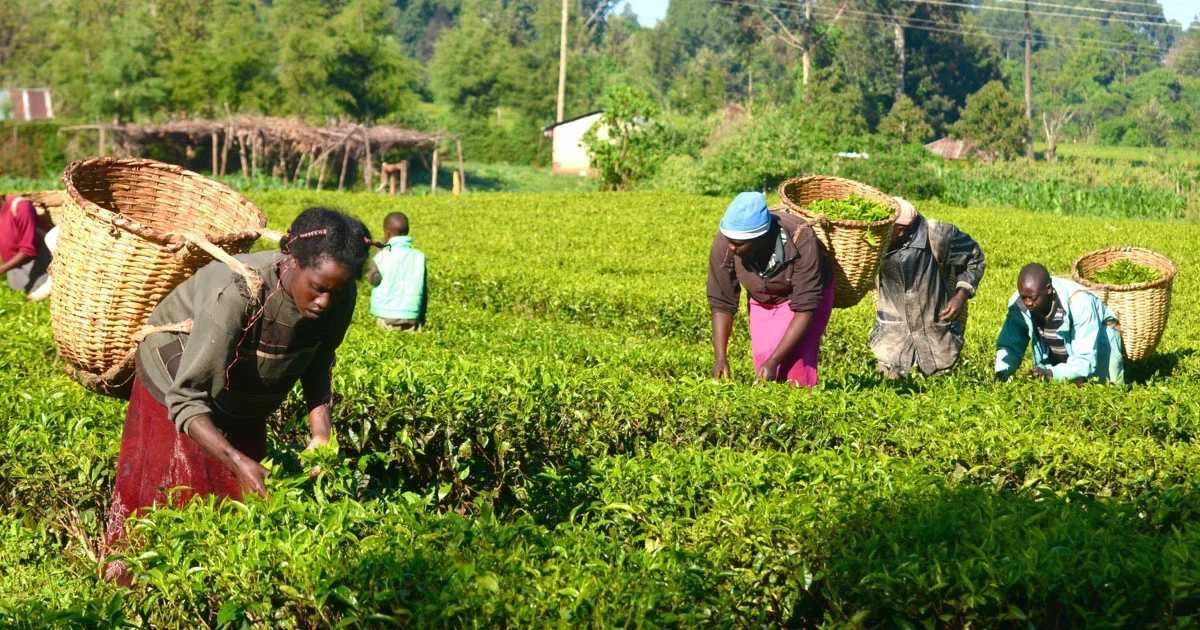

Are you asking about the importance of agriculture? Agriculture remains one of the most indispensable sectors in global society and in Nigeria’s economy.
It provides food, supports livelihoods, fuels industries with raw materials, and underpins national development. Beyond basic crop cultivation and livestock rearing, modern agriculture connects with science, technology, economics, rural growth, and environmental sustainability.
This article examines the Importance of Agriculture, explores its role globally and in Nigeria, and offers insights for students preparing for exams and general readers alike.
Table of Contents
What Is Agriculture?
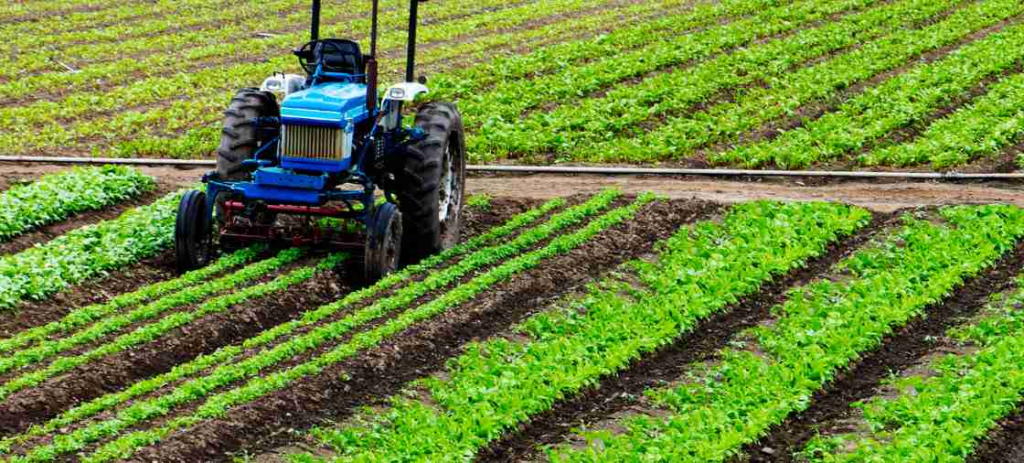
Before we discuss the importance of agriculture, we must understand what agriculture is, and that is what this section is dedicated to.
Agriculture refers to the systematic practice of producing food, fibre, and other goods through the cultivation of crops and rearing of animals for human use.
In simple terms, it is the science and art of growing crops and rearing animals for human use.
It encompasses a broad spectrum of activities, including land preparation, planting, harvesting, animal husbandry, forestry, fishing, and post-harvest processing. Agriculture transforms natural resources into essential products that sustain human life and support economic activities.
In many countries, agriculture integrates scientific principles to enhance productivity. This includes the use of improved seed varieties, soil management techniques, pest control, and livestock breeding methods.
These practices aim to increase yields, improve food quality, and ensure sustainable production systems.
Agriculture supplies the basics of life which includes food, clothing, and shelter materials, and supports many industries. In the next section, we will dive into the importance of agriculture.
What Is the Importance of Agricuture?
The importance of agriculture lies in its multi-dimensional contributions to human survival and development. It is not only a source of food but also a foundation for economic stability, rural livelihoods, and environmental stewardship.
Foundation of Human Life
At the most basic level, agriculture produces the food and nutritional resources necessary for people and animals. Without adequate agricultural production, societies would struggle with hunger and malnutrition.
Food crops such as cereals, roots and tubers, fruits, and vegetables make up the bulk of the global diet. Without agriculture, these crops won’t be available for human consumption.
Raw Materials for Industry
Another importance of agriculture is that it supplies essential raw materials for numerous industries. These include the following:
- Fibres like cotton for textiles
- Oils for food processing
- Sugarcane for sweeteners and ethanol
- Timber for building materials
Agro-based industries depend on a reliable supply of agricultural inputs to sustain production and create value chains.
Economic Stability and Growth
The next point highlighting the importance of agriculture is its economic significance. In many developing nations, agriculture is a major contributor to Gross Domestic Product (GDP), employment, and national income.
It generates income from both domestic markets and exports and provides a cushion against economic shocks when diversified alongside other sectors.
Employment and Livelihoods
Agriculture remains a major employer, especially in rural areas. Millions of people derive their livelihoods from the sector, either directly as farmers and farm workers or indirectly in processing, marketing, and distribution.
These roles help reduce poverty and improve standards of living.
Food Security and Social Stability
A strong agricultural sector is essential for food security, that is, the availability, accessibility, and affordability of food for all people at all times.
Countries that invest in agriculture are better positioned to manage food supplies and cushion populations against price shocks and supply disruptions.
Agriculture shapes our lives and communities in various ways, cutting across cultures and traditions worldwide. In the next section, we will examine some of the global importance of agriculture.
10 Importance of Agriculture Worldwide
Below are ten key reasons that highlight why agriculture remains crucial worldwide:
- Ensures Food Supply
Agriculture produces the everyday foods consumed by populations globally. - Provides Raw Materials for Industries
Many industrial sectors rely on agricultural products as inputs. - Creates Employment
Agriculture employs hundreds of millions of people directly and indirectly. - Generates Income for Households
Farmers and agricultural workers earn income by selling produce to local and international markets. - Promotes Rural Development
Agricultural activities drive infrastructure growth, such as roads and storage facilities, in rural regions. - Supports Economic Diversification
Diversifying economies through agricultural innovation reduces dependence on single commodity exports. - Contributes to National GDP
Agriculture represents a significant share of GDP in many countries, including Nigeria. - Provides Export Revenue and Foreign Exchange
Agricultural exports like cocoa, sesame seeds, and cashews earn foreign currency and improve trade balances. - Enhances Food Security
lThe ocal production of essential foods reduces reliance on imports and stabilises domestic food prices. - Encourages Sustainable Resource Management
Modern practices can improve soil quality, conserve water, and support biodiversity.
For the benefit of students preparing for exams, we will explore some exam-focused importance of agriculture in the next section.
5 Key Importance of Agriculture (Exam-Focused for Students)
Are you a student researching the importance of agriculture for educational purposes? In this section, we will discuss some strong points for your educational use.
Whether you are preparing for exams such as WAEC, NECO, or JAMB, the following points are high-yield:
- Food Production: Agriculture is the primary source of food for humans and livestock.
- Employment: It offers job opportunities, especially in rural communities.
- Raw Materials: Agriculture supplies critical inputs to industries like textiles and food processing.
- Income Source: The sale of agricultural products provides income to millions of households.
- Economic Contributor: Agriculture contributes to GDP and national development strategies.
In the next section, we will examine the importance of agriculture in Nigeria ad how it contributes to the economy.
Importance of Agriculture in Nigeria
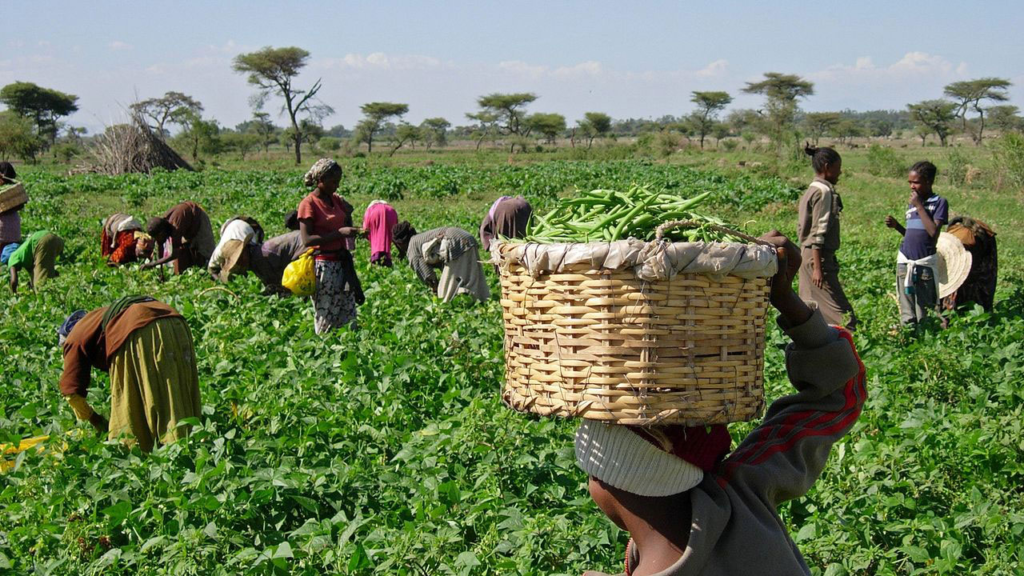
In Nigeria, agriculture continues to be a cornerstone of the economy and society despite competing sectors like oil and services.
Major Contributor to GDP
In Q4 of 2025, agriculture accounts for 25.59% of Nigeria’s GDP, indicating its fundamental role in economic activities.
Also read: Top 20 Nigerian Foods Everyone Must Try
Largest Employer of Labor
The sector employs a significant portion of the population, with over 30% of Nigerians working in agriculture, particularly in rural regions where other job opportunities are limited.
Food Production and Security
Agriculture sustains the food supply in Nigeria by producing essentials like cassava, yam, maize, and vegetables. Although the country faces food security challenges, local production helps moderate food prices and ensures access to essential nutrition.
Exports and Foreign Exchange Earnings
Cash crops such as cocoa, sesame seeds, and cashew contribute to foreign exchange earnings, even as oil remains a dominant export. Boosting agricultural exports helps strengthen Nigeria’s external reserves and trade balance.
Rural Livelihoods and Poverty Reduction
Another importance of agriculture in Nigeria is that it supports rural livelihoods where poverty rates are often higher than in urban areas. Enhancing agricultural productivity can lift households out of poverty and drive inclusive growth.
Industrial Linkages and Value Chains
The sector supplies inputs for agro-processing and related industries, promoting value addition and creating jobs in food processing, packaging, and logistics.
Climate and Environmental Significance
Our last point on the importance of agriculture in this section is about its significance to the climate and environments.
Nigeria’s agricultural sector is also adapting to environmental challenges. Climate change affects crop yields and water availability, prompting the adoption of climate-smart agricultural practices.
Now, what about the science of agriculture? We will examine that in the next section.
Importance of Agricultural Science
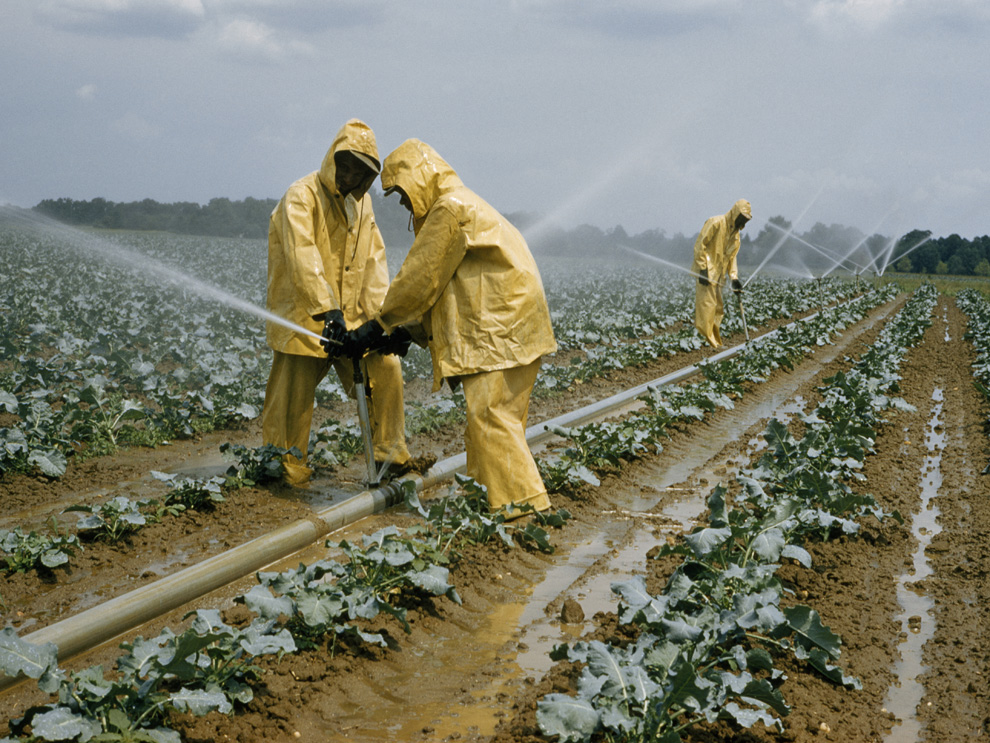
Agricultural science is the discipline that applies scientific methods to agriculture. It encompasses soil science, plant breeding, livestock management, pest control, biotechnology, and agricultural engineering.
What is the importance of agricultural science? We discuss that below.
Improving Productivity through Research
Scientific innovations facilitate increased crop yields, disease-resistant varieties, and efficient farming techniques. These advancements ensure that food production keeps pace with population growth and demand.
Sustainable Farming Practices
Agricultural science plays a crucial role in promoting sustainability. Practices such as crop rotation, soil conservation, and precision farming protect natural resources and reduce environmental degradation.
Technological Integration
Modern agriculture integrates technology such as mobile apps, drones, automated machinery, and data analytics to improve efficiency and decision-making on farms.
Education and Capacity Building
Agricultural science education equips future farmers, agronomists, and policy makers with the knowledge needed for innovation, rural transformation, and food system resilience.
Additional Roles of Agriculture
Cultural and Social Importance
In many communities, agriculture is woven into cultural traditions, festivals, and heritage. Farming practices and crops often reflect the environmental conditions and cultural history of a region.
Environmental Services and Biodiversity
Agricultural landscapes can support biodiversity and ecosystem services when managed sustainably. Practices such as agroforestry and crop diversification improve soil health and enhance carbon sequestration, according to this report.
Adaptation to Climate Change
As climate patterns shift, agricultural systems are adopting drought-resilient crops, water-efficient technologies, and climate-smart techniques to mitigate risks and secure food production.
Conclusion on the Importance of Agriculture
Agriculture remains essential not only for food production but also for economic growth, employment, rural development, and environmental sustainability.
In Nigeria and worldwide, the sector supports millions of livelihoods and sustains national economies.
By embracing scientific innovations, technology, and sustainable practices, agriculture can continue to feed growing populations, diversify economies, and strengthen resilience in the face of global challenges.
Agriculture’s importance extends far beyond the farm; it shapes societies, drives industries, and anchors strategies for food security and sustainable development.
Would you like to explore more content like this? Turn on notifications for new posts and follow us on X (formerly Twitter), @snehtv.
Recommendations
Enjoyed this article? Stay connected with us on WhatsApp:
 Join WhatsApp TV