

You have come to the right page if you are asking the question, “What is farm structure?”
Farm operations are far more than just land and crops. Behind every productive agricultural enterprise lies a thoughtfully planned and well-organized set of physical features, buildings, and facilities that make farming effective and efficient.
Farm structure is that foundational concept in agriculture that explains how built components on a farm support farming activities.
Whether you’re a student, a budding farmer, or a general reader curious about agriculture, understanding what farm structure means and how it relates to farm buildings is key to appreciating how farms function in real life.
This article defines farm structure, explores its meaning, discusses how it’s applied in agriculture, distinguishes it from farm buildings, and explains why these elements are crucial for productive farm operations.
Table of Contents
What Is Farm Structure?
What is farm structure? Farm structure refers to the physical facilities, constructions, and installations on a farm that make agricultural operations possible, efficient, and sustainable.
At its core, farm structure refers to any constructed feature on a farm that supports agricultural operations, from planting and harvesting to livestock management and storage.
Also read: What Is Farm Record?
These can be simple or complex facilities such as fences, irrigation systems, silos, greenhouses, and shelters. Farm structures help protect crops, house livestock, store machinery, and support various production activities.
Put simply:
What is farm structure?
Farm structure = all man-made constructions on a farm that assist in managing agricultural activities.
What Is Farm Structure in Agriculture?
The next question we waill address in this section is, “what is farm structure in agriculture? Farm Structure in Agriculture refers to the collection of physical constructions and infrastructures integrated into a farm’s operation. These structures provide shelter, storage, access, and protection for crops, animals, labour, and equipment.
They are essential for modern farming practices because they allow farmers to regulate environmental conditions, protect against pests and weather, and facilitate day-to-day operations.
Farm structures play a dual role in agriculture:
- Operational support: They help with planting, harvesting, feeding animals, storing produce, and housing equipment.
- Environmental control: Structures can regulate temperature, humidity, and light to create optimal conditions for crops and livestock.
In agriculture, the farm structure serves as the physical backbone of daily farm life. Without it, basic farming tasks like protecting livestock, preserving harvests, or storing machinery would be far more difficult and inefficient.
Key Roles of Farm Structures
We have answered the question “what is farm structure?” and “what is farm structure in agriculture?” Below, we explore the key roles of farm structures:
- Operational efficiency: Structures such as sheds, pens, and greenhouses help organize work, protect assets, and streamline farming processes.
- Protection: Livestock sheds, cold storage, and fences protect animals and crops from weather, pests, and theft.
- Resource management: Facilities like silos, water systems, and machinery storage help maintain inputs like feed, fuel, and tools effectively.
- Specialized functions: Certain structures are designed for niche tasks. For example, greenhouses for controlled-environment crop production.
These elements are integral to any modern agricultural system, whether on a smallholder farm or a large commercial operation.
Farm Structure and Building
What Is Farm Structure and Building? While “farm structure” is a broad term, farm buildings are a specific subset of that category. Farm buildings are enclosed or semi-enclosed constructed spaces used directly in farming operations, especially for shelter, storage, or processing tasks.
What Is a Farm Building?
We cannot discuss the topic “what is farm structure?” without touching on farm building. A farm building refers to structures with walls and roofs designed to serve specific functions such as housing livestock, sheltering machinery, storing crops, or accommodating people involved in farm work.
Also read: Essential Farm Tools and Their Uses You Must Know
Some typical farm buildings include:
- Barns: Used for storing hay, equipment, and sometimes housing livestock.
- Farmhouses: Residential buildings on the farm property where the owner, manager, or workers live.
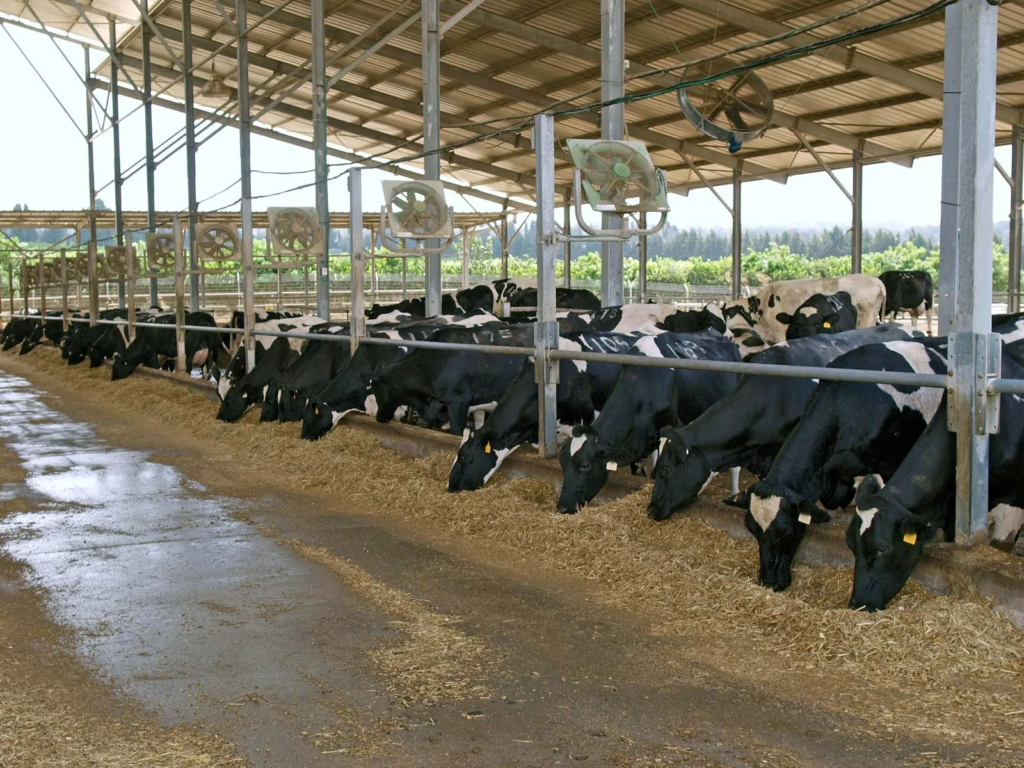
- Dairy barns: Specialized buildings equipped for milking and managing dairy cattle.
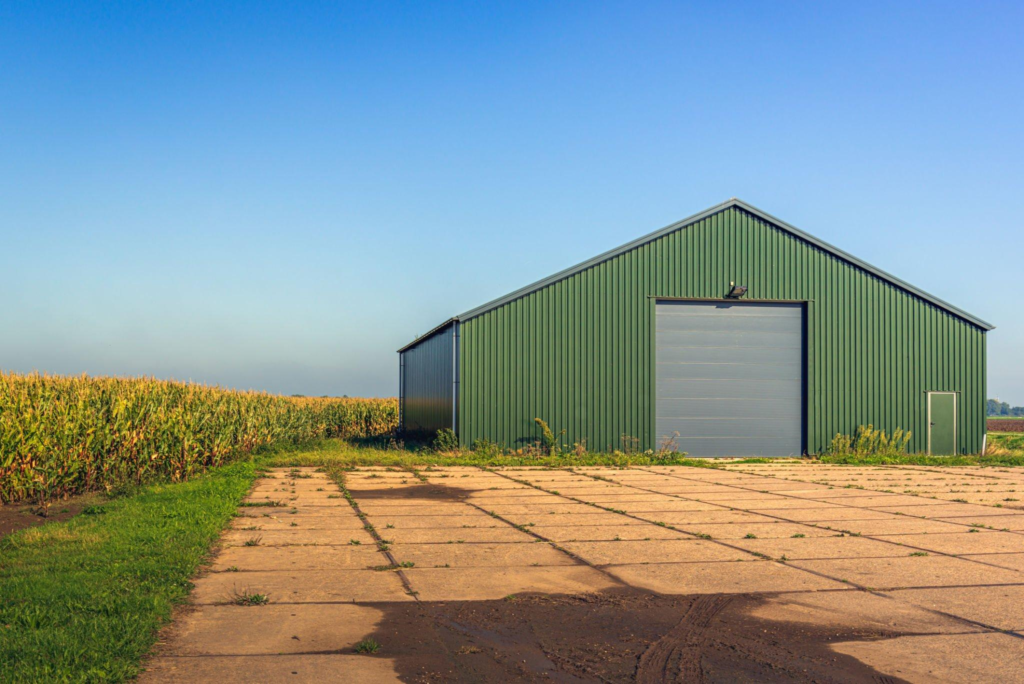
- Machinery sheds: Protect tractors, plows, and other farm equipment from the elements.
So what is farm structure and how’s it different from farm building? We summarize it below:
In summary:
All farm buildings are farm structures, but not all farm structures are farm buildings.
Why Farm Structures Matter
What is farm structure and why do farmers need it? Farm structures are crucial to agricultural productivity and sustainability. They serve multiple functions:
Protection and Shelter
Farm structures protect crops, livestock, and equipment from adverse weather, pests, and theft. Specific buildings like barns and poultry houses provide controlled environments necessary for animal welfare and crop safety.
Storage and Preservation
Post-harvest losses can be minimized with appropriate storage structures like silos and granaries. These keep produce dry, ventilated, and safe from pests.
Operational Efficiency
Structures such as irrigation systems and farm roads streamline work processes, reduce manual effort, and promote timely farming activities.
Environmental Management
Farm structures help regulate temperature, humidity, and light to enhance productivity. Greenhouses and shade nets are examples of structures that create optimal microclimates for particular crops.
Types of Farm Structures
Another area we must not ignore while answering the question “what is farm structure” is the types of farm structures. Farm structures can be grouped into several types based on function and purpose. Each type plays a distinct role in supporting agricultural operations:
1. Fencing and Enclosures
Fences create boundaries that keep livestock contained, designate land areas, protect crops from roaming animals, and prevent unauthorized access. They are often the first structure installed when establishing a farm.
2. Crop Production Structures
These facilities help in growing and nurturing crops, especially in controlled environments. Examples include:
- Greenhouses and polytunnels: For controlled cultivation of vegetables and flowers.
- Shade nets and nursery beds: For protecting young seedlings from harsh sunlight or pests.
3. Storage Structures
These keep harvested produce and farm inputs safe and in good condition:
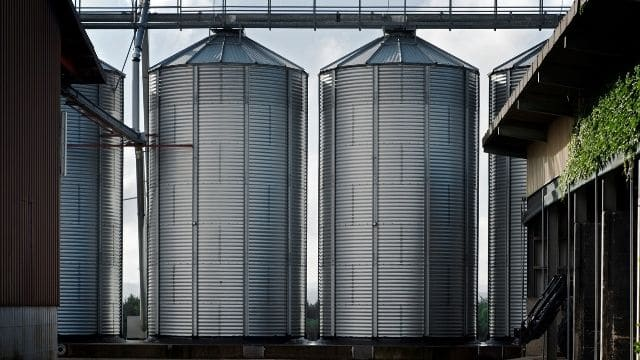
- Silos: Tall storage units for grains and bulk crops.
- Cold storage units: For preserving perishable items like fruits, vegetables, and dairy.
4. Livestock Housing
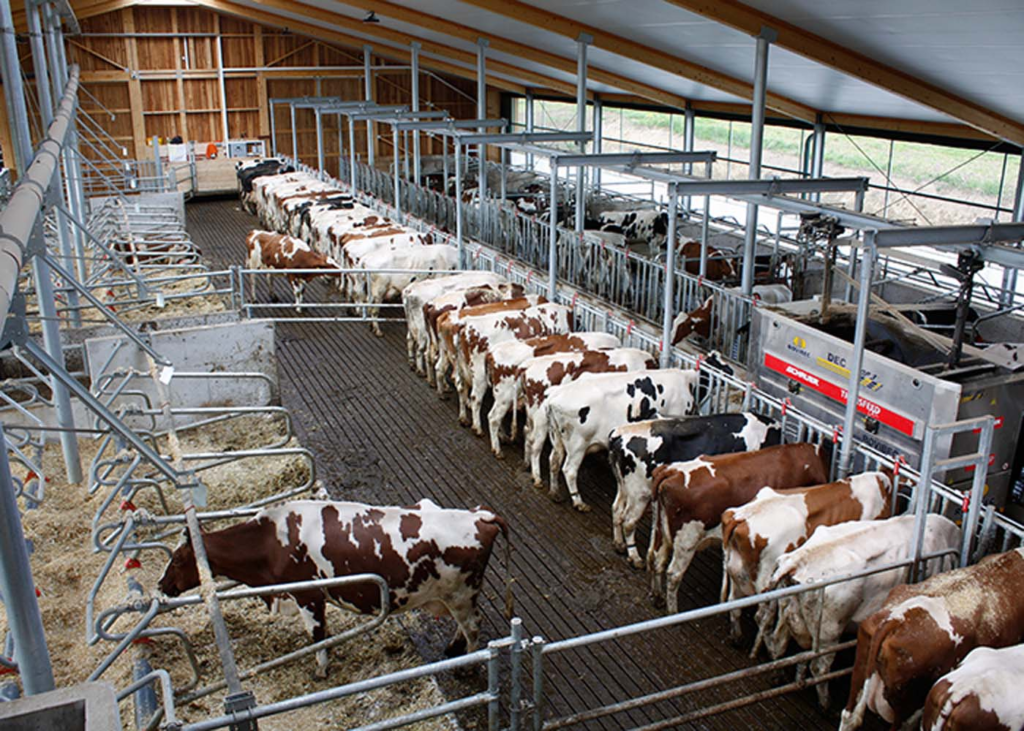
Designed to shelter animals in ways that ensure health, comfort, and productivity:
- Chicken coops and brooder houses for poultry.
- Piggeries and stables for pigs, horses, and other livestock.
5. Processing and Work Structures
These include specialized buildings for activities like milking, packing produce, or repairing machinery.
6. Miscellaneous Infrastructure
Farm roads, bridges, and water management systems facilitate movement and ensure resources like water are readily available where needed.
Also read: The Ultimate Importance of Agriculture for Students & Society
Practical Examples
You know what is farm structure by now. In this section, however, we illustrate how different elements of farm structures come together. Consider the following:
- On a mixed crop and livestock farm, fences separate grazing areas from crop fields, silos store harvested grain, barns house cattle, and machinery sheds protect equipment.
- On a vegetable farm, greenhouses extend the growing season, shade nets protect seedlings, and cold storage units reduce post-harvest losses.
- On a poultry farm, chicken coops are designed for optimal ventilation and temperature control, while storage sheds keep feed dry and secure.
Materials Used in Farm Structures
You are no longer asking what is farm structure; instead, you want to understand the materials used. Farm structures are built from materials selected for durability, cost, and suitability to local conditions. Common materials include:
- Wood: Traditional but may require treatment for decay resistance.
- Concrete: Strong and durable for foundations and silos.
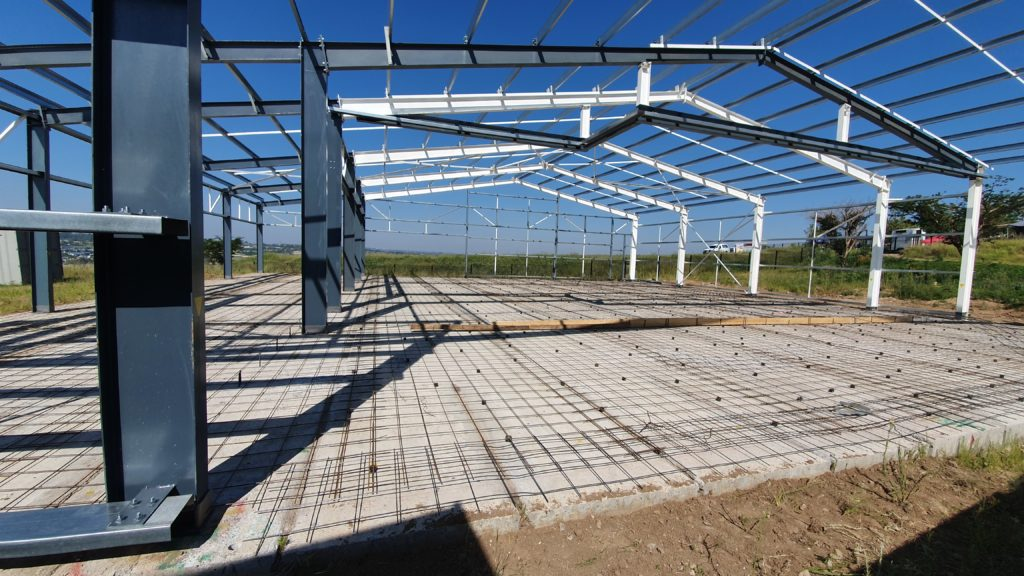
- Metal (Steel): Increasingly used for barns and storage due to strength and low maintenance.
- Local materials: In some regions, earth, thatch, or bamboo are used based on availability and cost.
These choices impact longevity, maintenance requirements, and overall farm efficiency.
Challenges in Implementing Farm Structures
Farmers may face challenges in constructing and maintaining proper farm structures:
- Cost constraints: Limited access to capital makes investment difficult.
- Skill gaps: Lack of technical expertise may hinder proper design or construction.
- Material availability: Some materials may be scarce or expensive locally.
- Infrastructure deficits: Poor rural infrastructure such as roads may limit access to building materials.
Addressing these issues often requires community planning, government support, and agricultural extension services.
Summary of Key Terms
- Farm Structure: All constructed features on a farm that support agricultural activities.
- Farm Building: A specific type of farm structure with walls and a roof.
- Agricultural Infrastructure: The broader built environment and systems that improve farming efficiency and sustainability.
What Is the Meaning of Farm Structure?
What Is the Meaning of Farm Structure? The meaning of farm structure includes any built feature on a farm that is designed or repurposed to support farming tasks. These features can be specific buildings with walls and roofs or open facilities that serve functions essential to agriculture. Farm structures are integral to organizing land use, improving production efficiency, and safeguarding farm resources.
What is the difference between farm structure and farm building?
Farm structure refers to all the constructed features on a farm that support agricultural work including fences, silos, irrigation systems, animal housing, and storage facilities. Farm buildings are a specific subset of these structures that are enclosed or semi-enclosed, such as barns, machinery sheds, and dairy houses. In short, all farm buildings are part of the farm structure, but not all farm structures are buildings.
Why are farm structures important in agriculture?
Farm structures are essential because they make farming operations more efficient, organized, and productive. They protect livestock and crops, help store equipment and harvested produce, support resource management like water and feed storage, and provide safe workspaces for processing and maintenance tasks. Without well-planned structures, a farm would face higher losses, inefficiencies, and increased labor challenges.
Conclusion
What is farm structure? It is the organized system of physical constructions on a farm designed to support agricultural production and management. It includes farm buildings, which are specific enclosed spaces used for shelter, storage, and processing within that system.
Farm structures are indispensable components of agricultural systems. They encompass a wide range of facilities, from simple fences and irrigation systems to enclosed farm buildings like barns and machinery sheds.
These structures support farming activities, protect farm resources, enhance productivity, and contribute to efficient agricultural management.
Understanding What Is Farm Structure? and how it relates to farm buildings helps students, practitioners, and general readers appreciate the built environment’s role in successful farming.
In the same vein, understanding the difference between farm structure and farm building, and seeing how they operate together, gives a clearer picture of the complexity and practicality behind modern agriculture.
Whether for animal care, crop production, storage, or efficient work flow, these structures form the backbone of successful farming.
That’s it on the topic, “What is Farm Structure.” Would you like to explore more content like this? Turn on notifications for new posts and follow us on X (formerly Twitter), @snehtv.
Recommendations
- Top 20 Nigerian Foods Everyone Must Try
- iPhone 17 series lineup: Everything You Need to Know
- Top 10 Remote Jobs Nigerians Can Do in 2025
Enjoyed this article? Stay connected with us on WhatsApp:
 Join WhatsApp TV