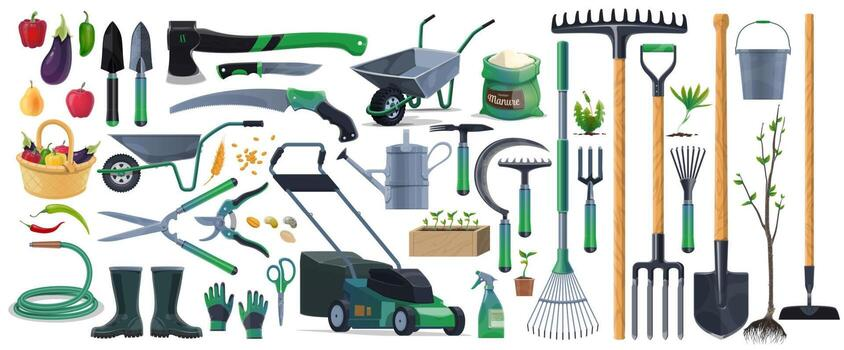

Farm tools play a vital role in agriculture. They help farmers work the land, plant crops, manage weeds, care for plants, and harvest produce. Tools reduce physical labour, save time, and improve efficiency on farms of all sizes.
This article explains what farm tools are, shares examples of farm tools, describes simple and basic farm tools, lists 20 common farm tools and their uses, and discusses the importance of farm tools in agriculture.
Table of Contents
What Are Farm Tools?
Farm tools are implements used by farmers to carry out agricultural activities. They assist in soil preparation, planting, weeding, harvesting, and transporting farm materials.
Farm tools can be simple hand-held tools or larger implements used on bigger farms. Modern agriculture also uses mechanized tools that work with tractors or engines to perform heavy tasks.
In general, farm tools help farmers apply force more effectively than using just their hands. They allow farmers to shape the land, move soil, cut plants, and perform tasks that would be difficult to do manually.
Why Farm Tools Matter
Farm tools are essential because:
- They increase efficiency in farming tasks such as tilling and planting.
- They reduce the time and effort required to work on the land.
- They help improve crop yields by enabling proper soil preparation.
- They allow farmers to work larger areas of land compared with using only human labour.
Without reliable farm tools, agriculture would be slower, more labour-intensive, and less productive.
Also read: The Ultimate Importance of Agriculture for Students & Society
Simple Farm Tools
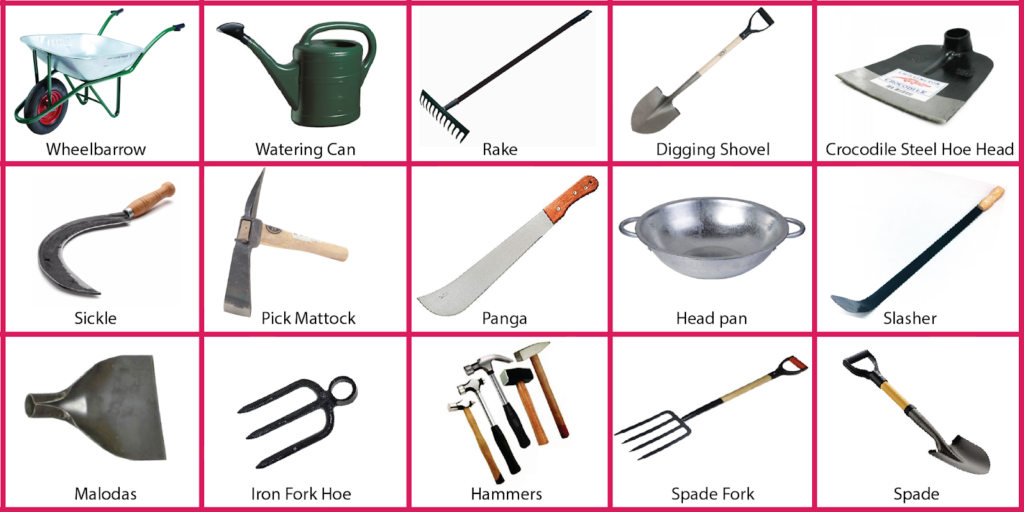
Simple farm tools are basic hand tools that are often used on small farms, gardens, or backyard plots. These tools are typically made of metal with wooden or plastic handles. They help perform fundamental farming tasks manually.
Examples of simple farm tools include:
- Cutlass – Used for cutting weeds and clearing land.
- Hoe – Used to shape soil, dig narrow trenches, and remove weeds.
- Shovel – Used for digging and lifting soil or material.
- Spade – Used for digging and transplanting.
- Rake – Used for collecting debris and smoothing soil.
- Hand Fork – Used to loosen soil and remove weeds.
- Hand Trowel – Used for planting seeds and transplanting seedlings.
- Wheelbarrow – Used to move soil, tools, or produce around the farm.
- Watering Can – Used to distribute water in small areas.
- Sickle – Used for hand-harvesting crops.
Simple farm tools make basic agricultural tasks quicker and less physically demanding.
Basic Farm Tools and Their Uses
Below are common basic farm tools and short descriptions of how they are used:
Cutlass
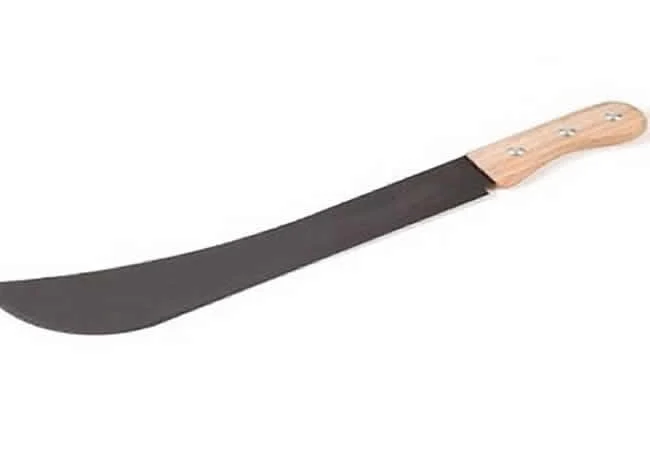
A cutlass (sometimes called a machete) is a long, curved blade tool used to clear vegetation, cut weeds, and even harvest certain crops by hand.
Hoe
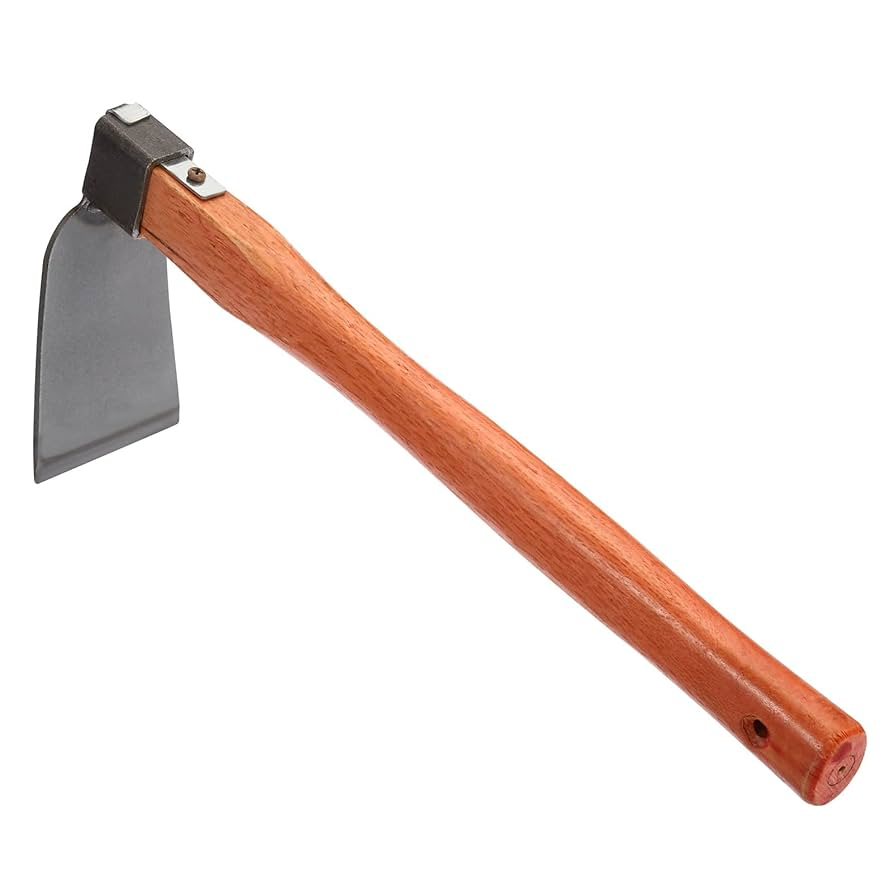
A hoe is a hand tool with a flat blade at the end of a long handle. It is used for weeding, shaping soil, and digging shallow trenches for planting seeds.
Shovel
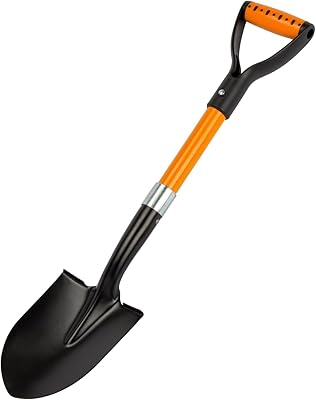
Shovels are tools with broad blades used for digging, lifting, and moving soil or other material.
Spade
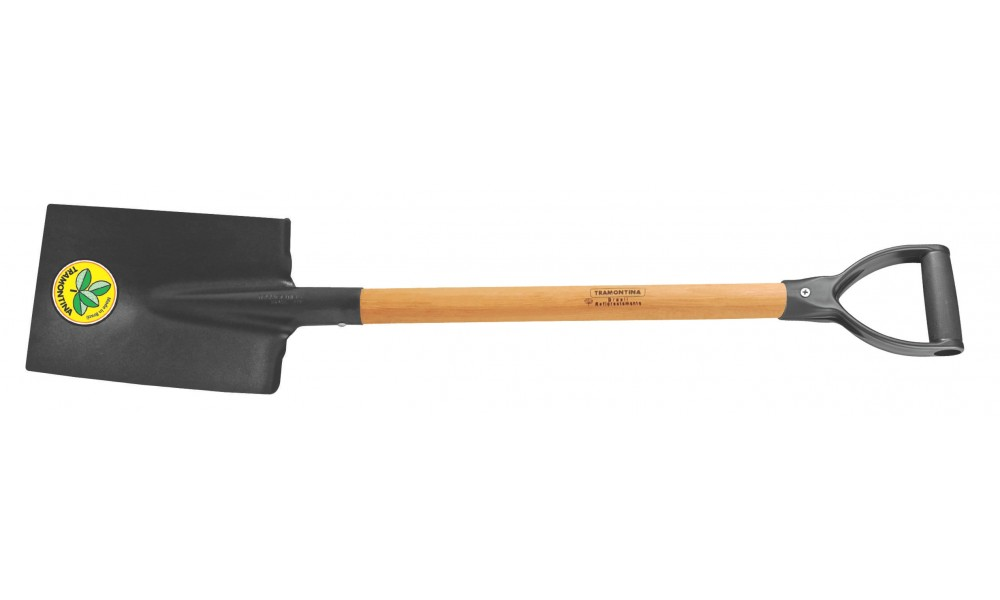
A spade has a flat, straight blade and is used for digging soil, cutting roots, and transplanting plants.
Rake
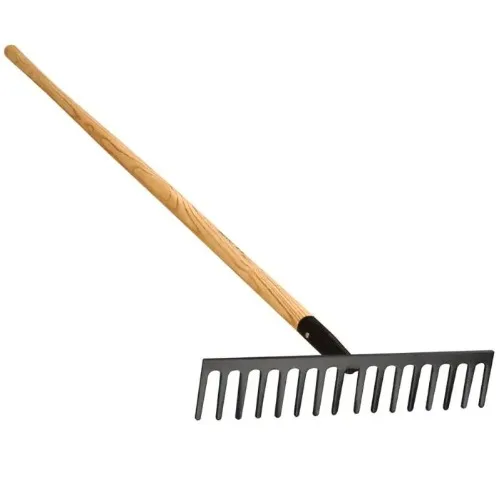
Rakes have teeth or tines that gather loose material, such as grass, weeds, or stones, and help level soil.
Hand Fork
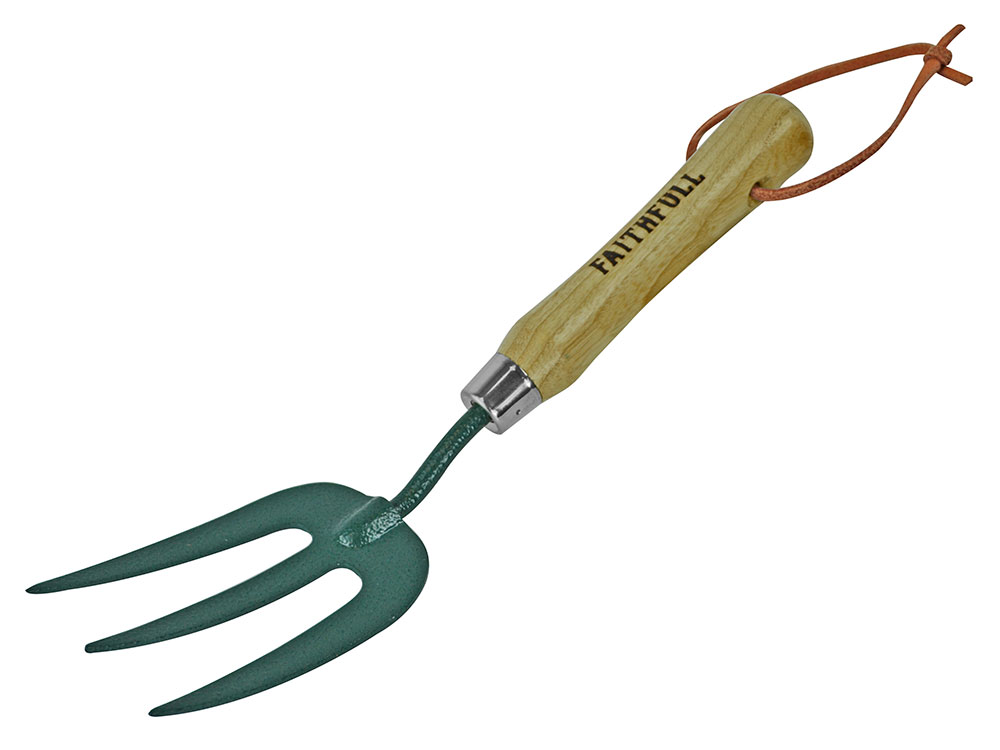
A hand fork loosens and aerates soil, making it easier to remove weeds without harming plant roots.
Hand Trowel
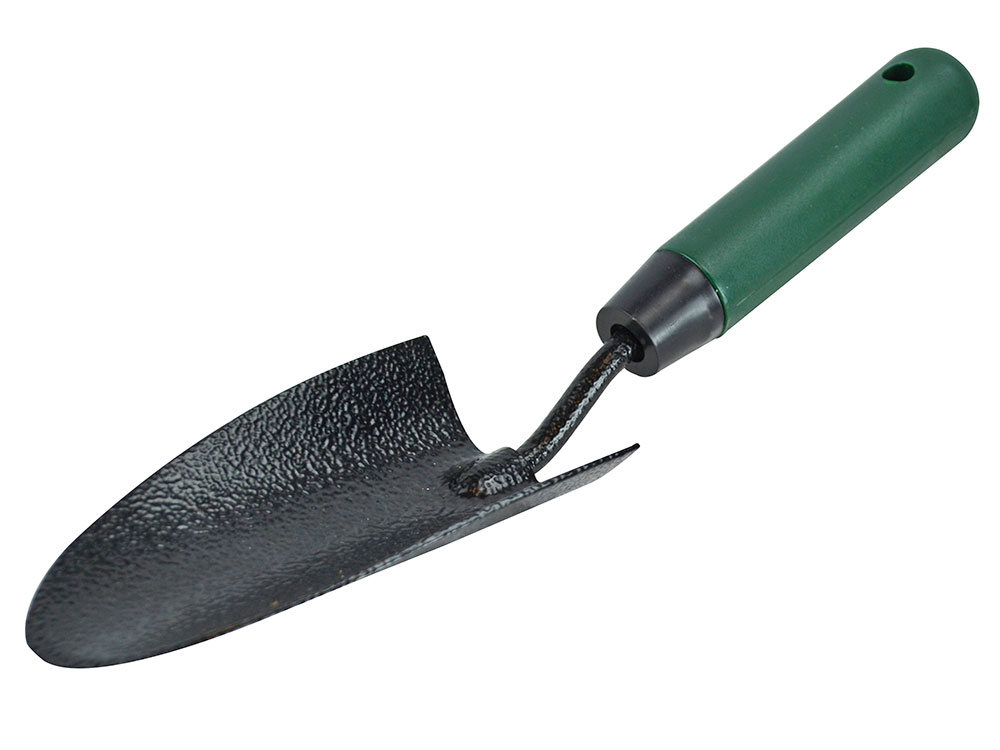
A hand trowel is a small tool used for precision tasks such as planting seeds or seedlings and weeding small areas.
Wheelbarrow
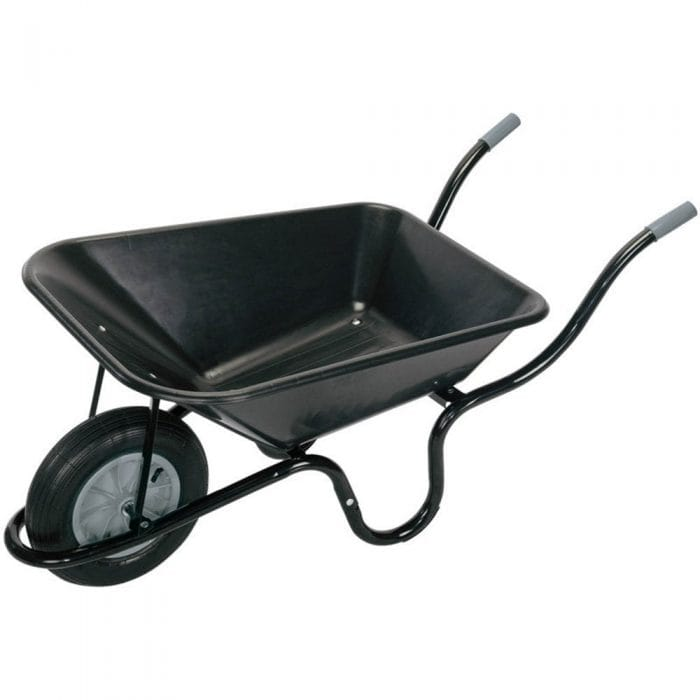
A wheelbarrow is a simple transport tool used to move soil, tools, compost, or harvested produce.
Watering Can
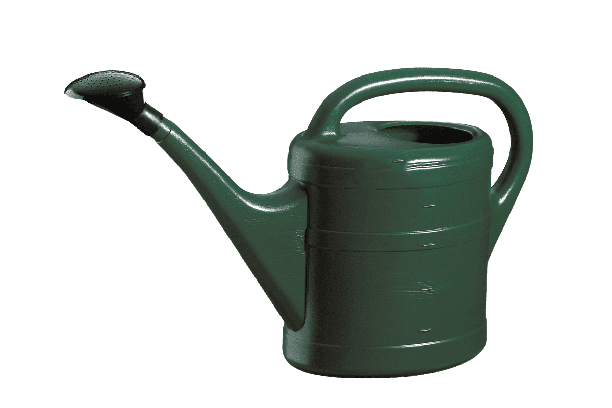
A watering can delivers water manually to young plants or areas without irrigation systems.
Sickle
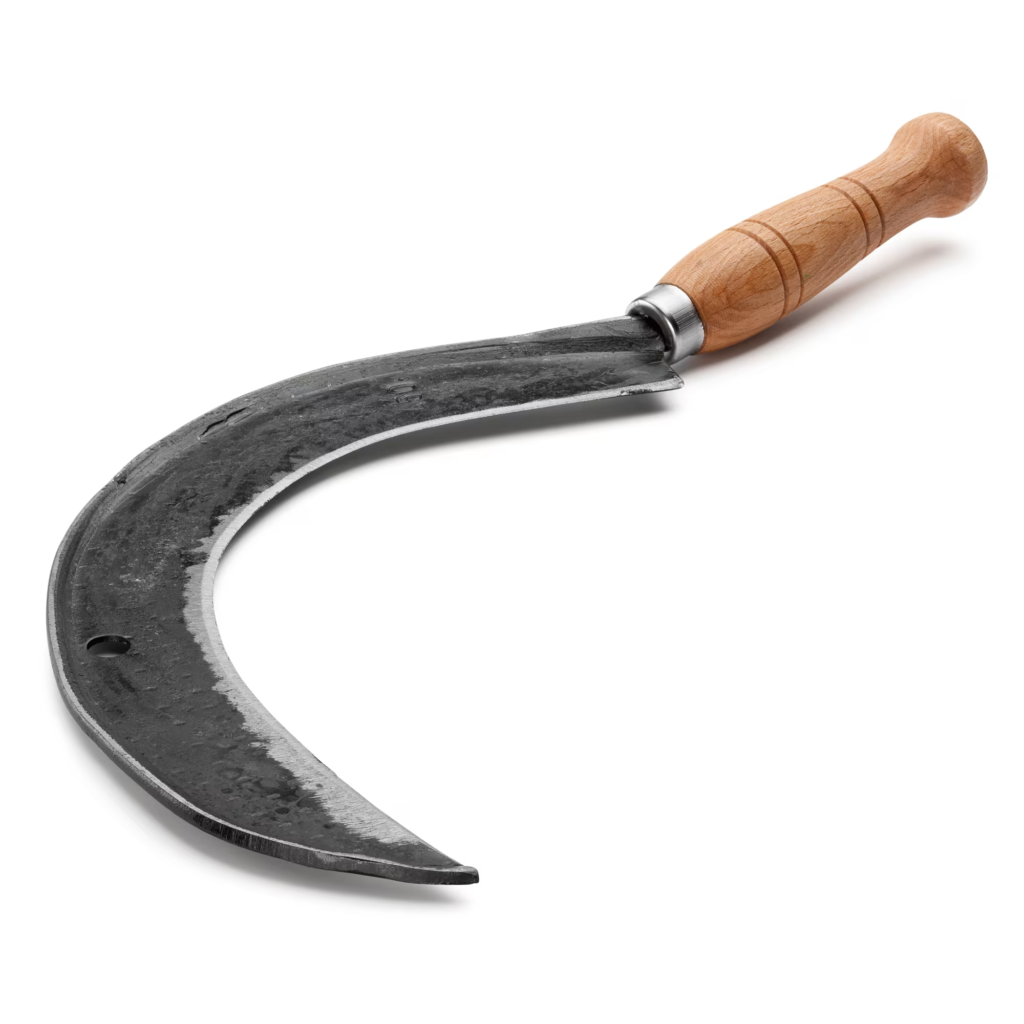
A sickle has a curved blade and is used for cutting grasses or cereals by hand.
20 Common Farm Tools and Their Uses
Farm tools vary widely depending on the type and scale of farming. Here are 20 common tools and implements and what they are used for:
- Bolo – Knife-like tool used for clearing tall weeds and vegetation.
- Crowbar – Used for digging holes and removing stones or stumps.
- Pick-mattock – Hand tool used to break hard soil and rocks.
- Grub-axe – Used for breaking and loosening compacted soil.
- Spade – Used to dig soil and prepare beds.
- Shovel – Used to dig, lift, and transport soil or materials.
- Rake – Levels soil and gathers debris.
- Spading Fork – Helps turn soil and break up clumps.
- Hand Trowel – Used for planting seeds and small plants.
- Garden Fork – Used to lift roots and turn compost.
- Watering Can – Provides water to plants manually.
- Pruning Shears – Used to trim branches and shape plants.
- Axe – Used for cutting wood and heavy vegetation.
- Head Pan – Used to carry soil, seeds or harvested crops.
- Mattock – Used for digging and cutting roots.
- Hoe – Shapes soil and removes weeds.
- Cutting Knife – Used for harvesting and pruning.
- Manure Drag – Used to spread manure evenly over soil.
- Sprayer – Applies fertilizers, herbicides, or pesticides.
- Seed Drill – Mechanized tool used to plant seeds at a uniform depth and spacing.
These tools are common across many farming systems. Some are basic hand tools, while others like the seed drill are mechanized and used on larger farms.
Spade vs. Shovel
A spade and a shovel may look similar, but they serve different purposes on the farm or in the garden.
A spade has a flat, straight blade, often with a sharp edge, making it ideal for cutting into compact soil, slicing roots, edging beds, and digging precise holes for planting. Its design gives you more control when working in firm earth or tight spaces.
In contrast, a shovel usually has a curved or slightly rounded blade and a longer handle. This shape makes it better suited for scooping, lifting, and moving loose materials such as soil, sand, gravel, or compost from one place to another. Shovels are less about precision and more about transporting bulk material efficiently.
Quick Summary Table
| Feature | Spade | Shovel |
|---|---|---|
| Blade shape | Flat, straight | Curved, scooped |
| Best for | Cutting soil & precision digging | Scooping and moving materials |
| Handle length | Shorter | Longer |
| Primary task | Digging holes, edging | Lifting & transferring |
In essence, choose a spade when you need to dig and shape the soil, and select a shovel when you need to move material around the farm.
Farm Tools vs. Farm Equipment
Farm tools often refer to hand tools used manually. In contrast, farm equipment includes larger implements and machines such as tractors, harvesters, and seed drills that perform heavy agricultural tasks and increase productivity.
Mechanized Tools and Farm Implements
While simple tools are essential on small farms, larger operations often use mechanized tools and implements. These include:
- Plough – Used to turn and break soil before planting. Modern ploughs are often mounted to tractors.
- Harrow – Breaks and smooths the soil surface after ploughing.
- Seed Drill – Sows seeds at consistent depth and spacing, increasing planting accuracy.
- Cultivator – Used to till the soil between rows and control weeds.
- Sprayer – Applies water, nutrients, or crop protection chemicals.
- Irrigation Tools – Including drip lines and sprinklers to deliver water efficiently.
Mechanized tools reduce manual labour further and help farmers manage larger fields more efficiently.
Importance of Farm Tools in Agriculture
Farm tools remain essential in agriculture for several reasons:
1. They Improve Productivity
Farm tools speed up tasks such as sowing, weeding, and harvesting, which increases the rate of work and crop production.
2. They Reduce Physical Strain
By using tools, farmers avoid excessive physical labour that would otherwise be required for digging, cutting, or gathering produce.
3. They Enable Proper Soil Preparation
Tools such as the plough and harrow help create soil conditions favourable for seed growth and root development.
4. They Support Mechanization and Scale
Advanced tools and mechanized implements make it possible for farms to be larger and more productive without increasing the number of workers proportionally.
Categories of Farm Tools
Farm tools can be categorized by purpose:
- Tillage Tools: Tools that prepare the soil, such as ploughs and hoes.
- Planting Tools: Tools that help plant seeds, like seed drills and hand trowels.
- Weeding Tools: Tools for weed removal, such as rakes and hoes.
- Harvesting Tools: Tools used to cut or gather crops, such as sickles.
- Irrigation Tools: Tools to supply water, such as watering cans and irrigation kits.
- Transport Tools: Tools to move materials, such as wheelbarrows.
Each category supports a different stage of the farming process, and understanding them helps farmers choose the right tool for the right task.
Conclusion
Farm tools are fundamental in agriculture. They help farmers carry out tasks more efficiently, from preparing the soil to planting, managing crops, and harvesting.
Whether simple hand tools like hoes and spades or mechanized tools like seed drills and ploughs, each tool has a clear purpose that supports productivity and food production.
Understanding what farm tools are and how they are used is essential for students, farmers, and anyone interested in agriculture.
Would you like to explore more content like this? Turn on notifications for new posts and follow us on X (formerly Twitter), @snehtv.
Recommendations
- Top 20 Nigerian Foods Everyone Must Try
- iPhone 17 series lineup: Everything You Need to Know
- Top 10 Remote Jobs Nigerians Can Do in 2025
Enjoyed this article? Stay connected with us on WhatsApp:
 Join WhatsApp TV